Baa Atoll · North Maldives

Baa Atoll guide: resorts, Hanifaru Bay, transfers and who it suits

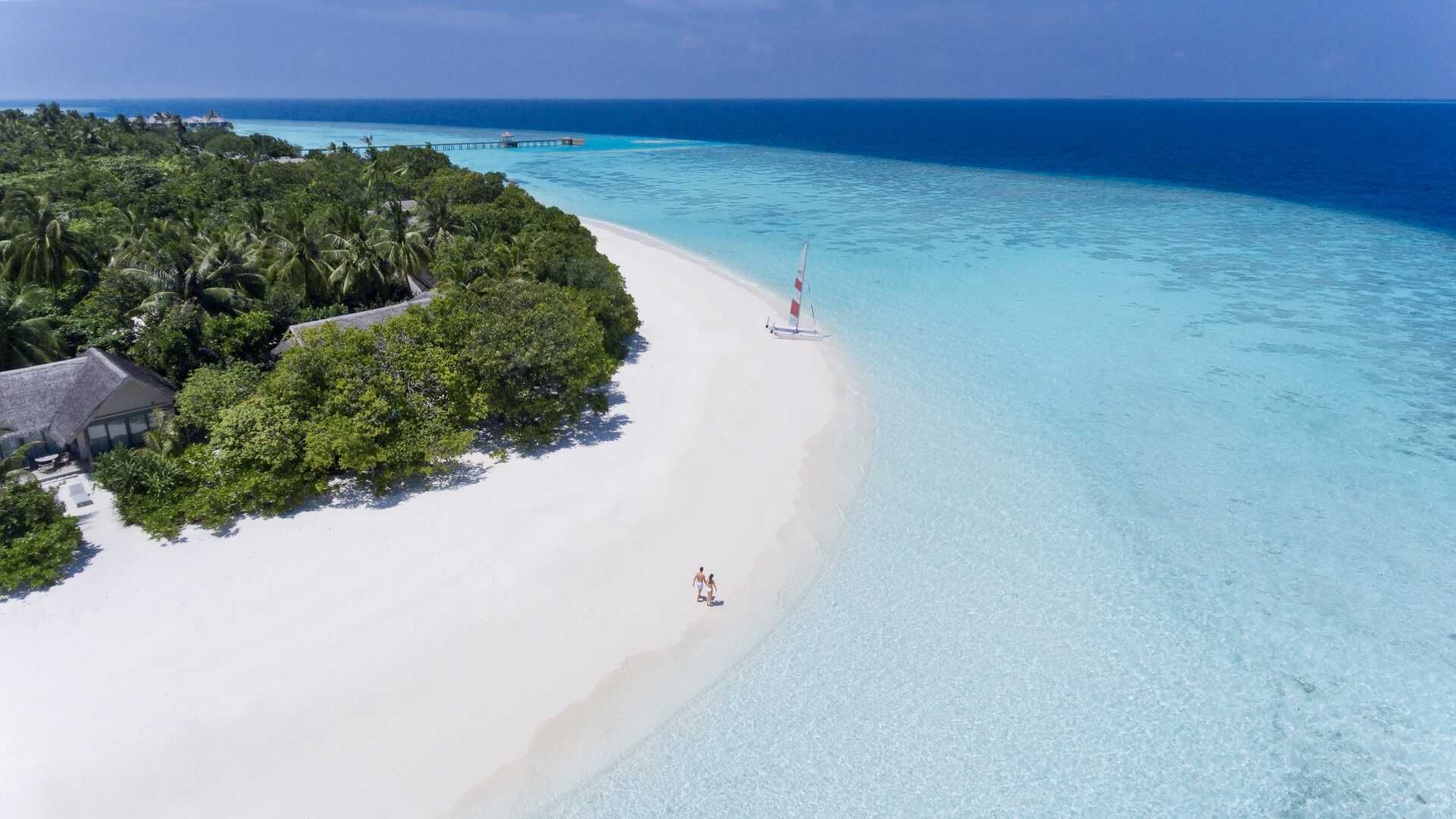
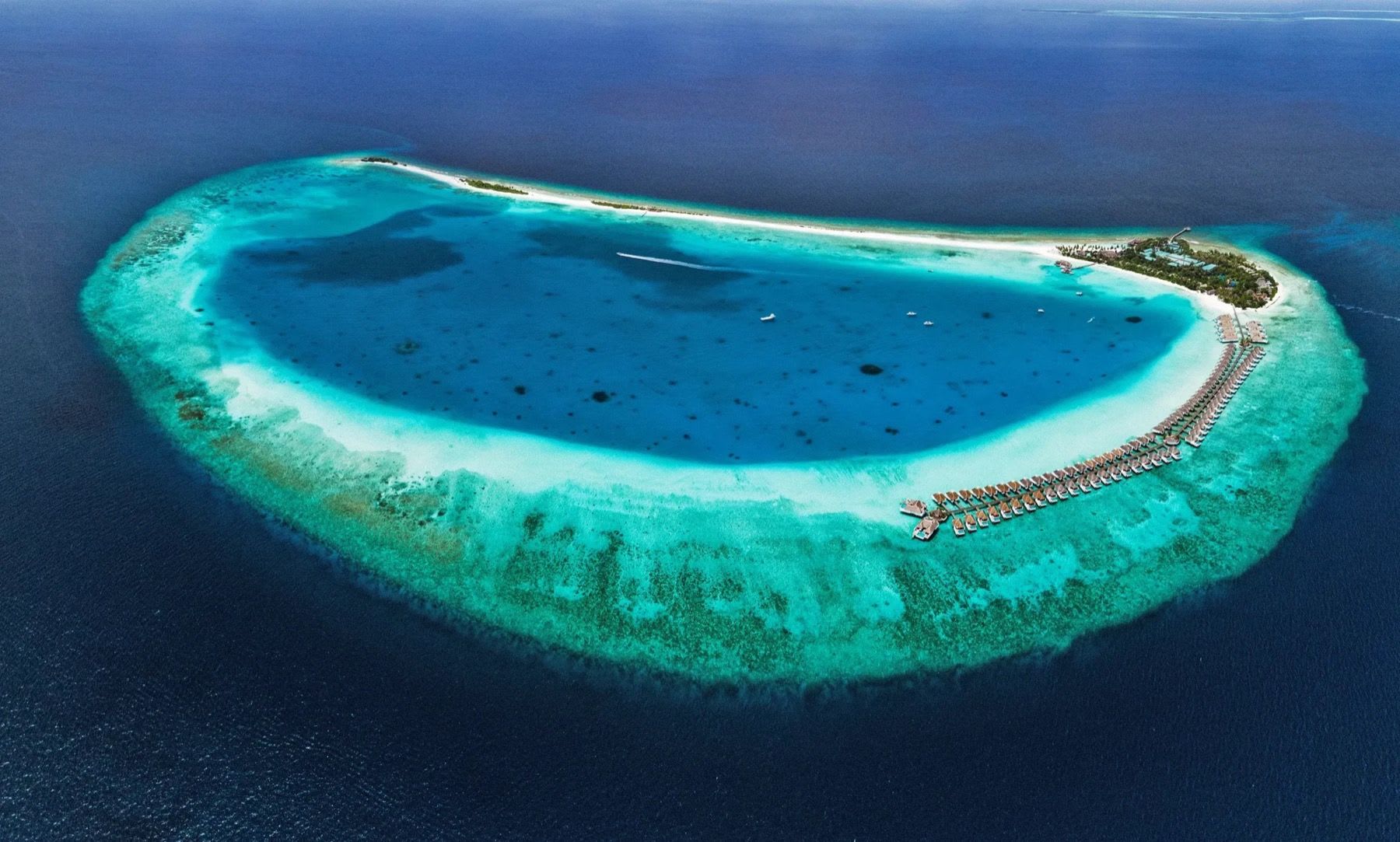
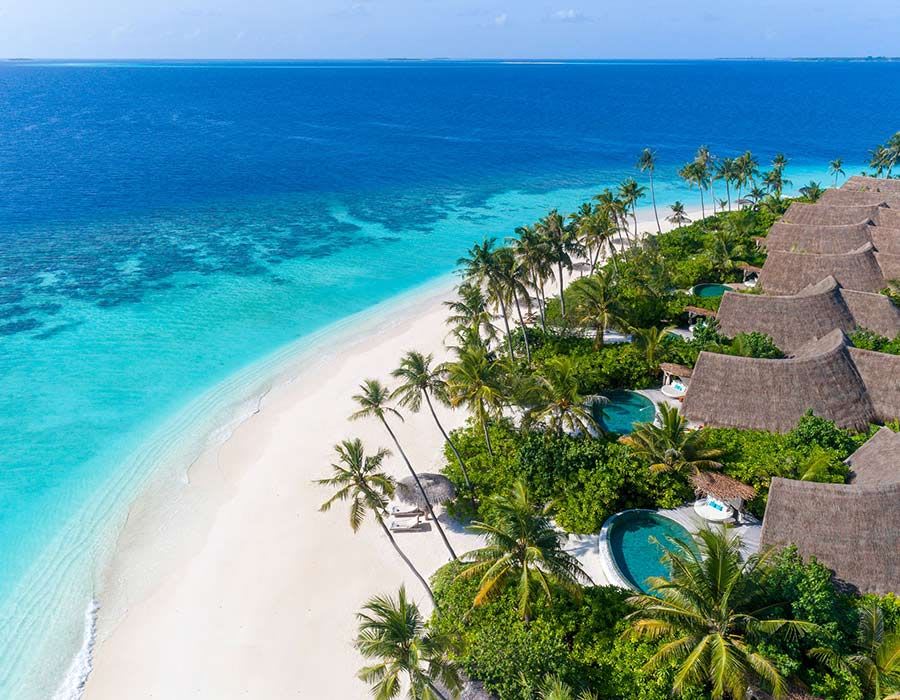
The Maldives is not one experience. Baa Atoll trades the fastest airport transfer for a stronger nature identity — a UNESCO Biosphere Reserve, the Hanifaru Bay manta aggregation, and quieter premium resorts built around the reef.

Baa Atoll guide: resorts, Hanifaru Bay, transfers and who it suits
MT Index

Baa earns its reputation on what's in the water, not on convenience. It's the atoll to choose for mantas, snorkelling and quiet, design-led premium islands — and the wrong one if your priority is a fast airport transfer or a guarantee you'll see a manta. Come for the marine life and the calm, then plan the transfer around it.

Marine life
Snorkelling
Diving
Transfer ease
Value range

Best forMantas, honeymooners, premium families, divers and snorkellers

Skip ifYou want the shortest transfer, a guaranteed manta sighting, or only 2–3 nights

Quick facts

Best forManta & marine life, nature-led luxury, snorkellers, quieter premium stays
Transfer typeSeaplane (~30–35 min, daylight only) or domestic flight to Dharavandhoo + speedboat
Main gatewayVelana (MLE) by seaplane · Dharavandhoo (DRV) domestic airport
Signature experienceHanifaru Bay manta & whale-shark aggregation (snorkel only)
Geography75 islands, 13 inhabited; capital Eydhafushi; ~13,000 residents
Best season angleManta season roughly May–November (sightings never guaranteed)
Indicative costGuesthouses ~US$50–150 · resorts ~US$500 to US$3,500+ per night
Not ideal forShortest transfers, lowest budgets, nightlife, 2–3 night stays

Where Baa Atoll fits

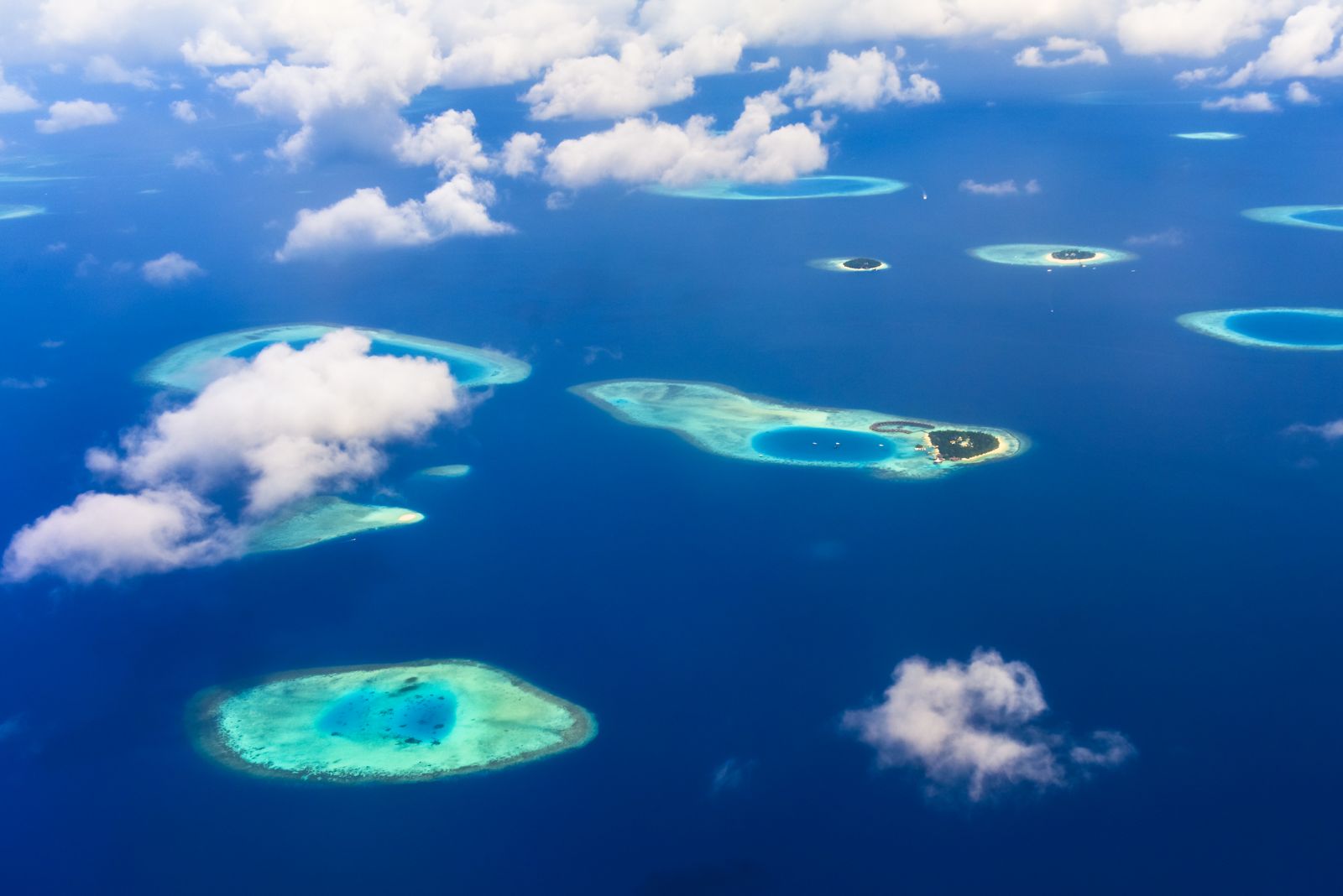
Baa Atoll sits in the northern Maldives, roughly a short seaplane hop or a domestic flight from Velana International Airport. Administratively it covers 75 islands, 13 of them inhabited, with a population of around 13,000 and its capital at Eydhafushi.

For travellers, the practical takeaway is simple. Choosing Baa means choosing reef quality, marine life and a quieter premium atmosphere over the shortest possible transfer. That trade-off defines almost every decision on this page.

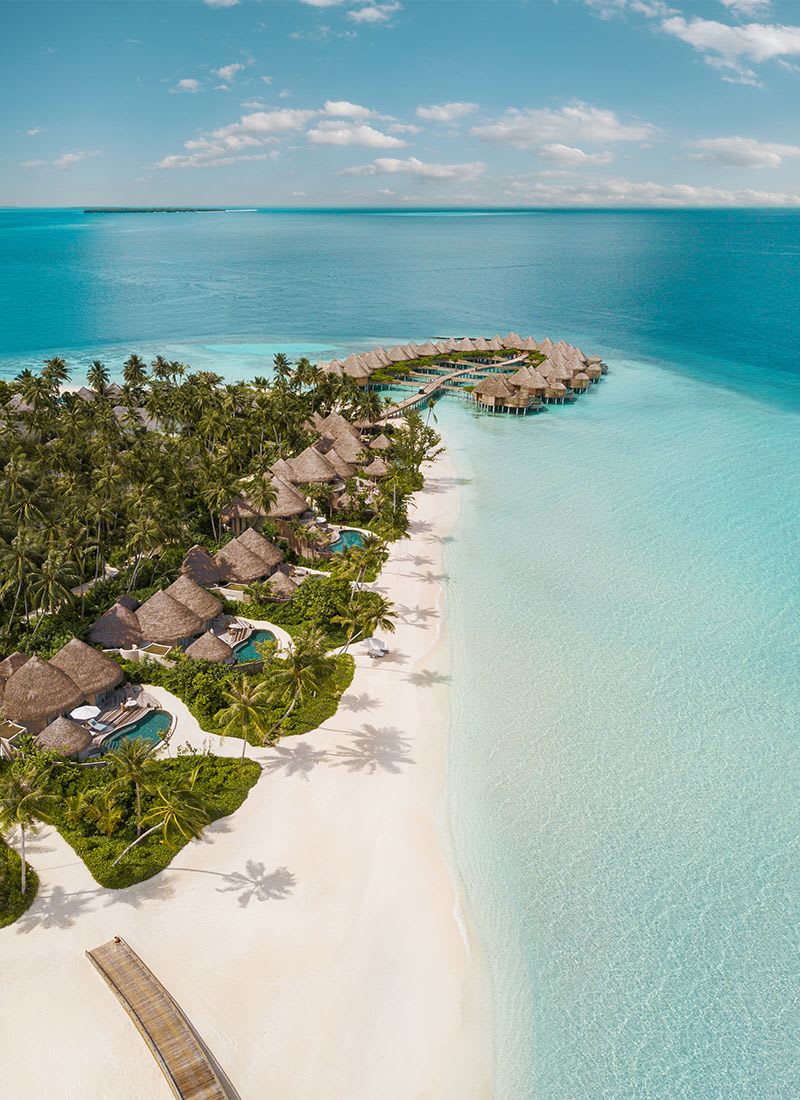
Why Baa Atoll matters

Baa was designated a UNESCO Biosphere Reserve in 2011 in recognition of its marine biodiversity and the way local communities, resorts and conservation work coexist there. Within it, Hanifaru Bay has been a Marine Protected Area since 2009 and is one of the reserve's core protected zones.

The result is an atoll with a clearer identity than many Maldives regions. Where some atolls are defined mainly by transfer convenience, Baa is defined by what is in the water — which is why it draws divers, snorkellers and marine-life travellers specifically.

Who should choose Baa Atoll

Choose it if you are…
  • Manta ray and marine-life travellers
  • Honeymooners who want nature over scene
  • Premium families
  • Divers and snorkellers
  • Nature-led luxury travellers
  • Repeat Maldives visitors
Think twice if you…
  • Travellers wanting the shortest transfer
  • Very low-budget travellers
  • Travellers expecting guaranteed manta sightings
  • Travellers wanting nightlife or a high-energy resort scene
  • Travellers staying only 2–3 nights

Getting to Baa Atoll

Baa is not a simple speedboat atoll. Most travellers reach it one of two ways, and the right choice usually comes down to arrival time.

Seaplane

Scenic transfer from Velana, operating in daylight only. Lands close to most resort jetties.

Domestic + speedboat

Domestic flight to Dharavandhoo (DRV), then a short speedboat. Works for late or evening arrivals when seaplanes have stopped.

Airport lounge & assistancePartner

Meet-and-assist, lounge access and late-arrival help at Velana for connecting travellers.

Seaplane vs domestic transferVelana Airport terminal guideLate arrival guideAll transfer guides

Hanifaru Bay

Hanifaru Bay is a small protected bay in Baa Atoll where, during the southwest monsoon, currents trap dense plankton. That draws large feeding aggregations of reef manta rays — sometimes 100 or more at once — and occasionally whale sharks.

It is strictly managed. Sightings are never guaranteed and conditions change daily, so Baa should not be chosen for mantas alone — treat Hanifaru as a remarkable possibility, not a booking guarantee.

Visitor rules
  • Snorkelling only — scuba diving has been banned in the bay since 2011 to avoid disturbing feeding mantas.
  • Visits are capped at around 45 minutes per group.
  • A licensed Hanifaru Bay guide must accompany every group (roughly 10 snorkellers maximum per guide).
  • Access is limited to about 5 boats and 45 people in the bay at one time.
  • No touching, chasing or blocking the mantas; rangers monitor from boats and by drone.
  • Access is seasonal and weather-dependent — the bay can be closed when conditions or aggregations don't allow.
Hanifaru Bay guideMaldives manta ray seasonBaa Atoll vs South Ari Atoll

Dive & snorkel sites

Hanifaru is the headline, but the atoll's reefs and thilas (underwater pinnacles) are why divers choose a Baa resort in the first place.

SiteTypeWhy it matters
Hanifaru BaySnorkel onlySeasonal manta and whale-shark feeding aggregation; the atoll's signature site.
Dhonfanu Thila (Maavaru Thila)DiveReef pinnacle with a swim-through and regular manta sightings in season.
Dhigali HaaDiveProtected thila known for soft coral and fish biomass — a photographer's site rather than a manta one.
NelivaruDiveOne of the atoll's manta cleaning stations, best in the wet season.

Month by month

Two seasons shape a Baa trip: the drier northeast monsoon (roughly December–April) with calmer seas and peak prices, and the wetter southwest monsoon (roughly May–November) that brings the manta season and better value.

MonthWeather & seaHanifaru mantasCrowds & price
Dec–FebDriest, calmest seasLower (off-peak for the bay)Peak holiday season, highest prices
Mar–AprDry, warming, calmLow, building lateBusy shoulder, high prices
May–JulSouthwest monsoon, more rain & windSeason buildsQuieter, better value
Aug–OctWet, variablePeak aggregation window (likely, not guaranteed)Manta travellers arrive; mixed pricing
NovTransitioning back to dryGood but taperingShoulder season

What Baa Atoll costs

Baa skews premium, but the local islands make it more accessible than its resort reputation suggests. Figures below are indicative 2026 nightly rates from public booking data and exclude transfers, which can add several hundred US dollars per person by seaplane.

TierIndicative rate / nightNotes
Local-island guesthouse (Dharavandhoo, Eydhafushi…)~US$50–150Best value; manta trips run from the island
Entry-level / all-inclusive resort~US$500–700All-inclusive boards bridge the gap
Premium resort~US$1,000–1,600Most of Baa's well-known names sit here
Ultra-luxury resort~US$2,500–3,500+Flagship private-island stays

Best resorts by traveller type

A curated shortlist selected for clear traveller fit — setting, service style, design, reef quality or transfer logic. Editorial picks are labelled; any partner placement is marked.

Marine-life focused
Barefoot luxury
Family luxury
Design-led couples

Local islands

  • Dharavandhoo — the atoll's domestic-airport island and the main budget base for manta trips.
  • Eydhafushi — the atoll capital and largest inhabited island.
  • Maalhos, Thulhaadhoo, Kihaadhoo and Dhonfanu — smaller local islands for slower, lower-cost stays.
  • Goidhoo, Fehendhoo and Fulhadhoo — a quieter southern cluster for travellers wanting near-empty beaches.

Baa Atoll vs other atolls

Compared toChoose Baa if…
North MaléYou'll trade a short speedboat for stronger marine life and quiet
South AriYou want mantas and a calmer scene over whale-shark-led diving scale
RaaYou want an established nature identity, not only newer resorts
NoonuYou prioritise reef and conservation over polished ultra-luxury alone

Best time to visit Baa Atoll

Baa follows the general Maldives pattern: the drier season runs roughly December to April, and the wetter southwest monsoon roughly May to November. Both deliver warm sea temperatures year-round.

The separate angle for Baa is manta season, which broadly tracks the southwest monsoon (around May–November) when plankton concentrations peak. Choose travel dates for the trip you want overall — calm-weather beach time or peak marine-life odds — rather than expecting both at once.

FAQs

Is Baa Atoll worth visiting?

Yes, if you value marine life and a quieter premium setting over the fastest transfer. Baa has a stronger nature identity than most Maldives regions, anchored by its UNESCO Biosphere Reserve status.

What is Baa Atoll best known for?

Hanifaru Bay's manta ray aggregation, its UNESCO Biosphere Reserve designation, and nature-led premium resorts with a marine-life focus.

How do you get to Baa Atoll from Malé?

By seaplane in daylight (around 30–35 minutes), or by a domestic flight to Dharavandhoo followed by a short speedboat — the better option for late arrivals.

Can you scuba dive in Hanifaru Bay?

No. Hanifaru is snorkel-only; scuba diving has been banned there since 2011 to avoid disturbing the feeding mantas. You can scuba dive at other Baa Atoll sites.

Is Baa Atoll good for honeymooners?

Yes, particularly couples who want privacy and nature over nightlife. Villa type, meal plan and transfer style matter more to the experience than the atoll name alone.

Is Baa Atoll good for families?

Yes. Several Baa resorts cater well to families, and the snorkelling and marine life suit older children. Factor the transfer into plans for younger kids.

When is the best time to visit Hanifaru Bay?

Roughly May to November, with peak plankton-driven aggregations often around August–October. Conditions vary daily and access is regulated, so sightings are never guaranteed.

Can you see manta rays all year?

Reef mantas are present in the Maldives year-round, but the large Hanifaru aggregations are seasonal, broadly tracking the southwest monsoon.

Is Baa Atoll better than South Ari Atoll?

Neither is simply better. Baa leans toward mantas and quieter premium stays; South Ari is known for whale sharks and a larger spread of resorts. Choose by the marine life and atmosphere you want.

Are there local islands in Baa Atoll?

Yes — 13 inhabited islands including Dharavandhoo, Eydhafushi, Maalhos, Thulhaadhoo and Kihaadhoo, offering guesthouse stays from roughly US$50–150 a night.

Is Baa Atoll expensive?

It skews premium, with resorts from about US$500 to US$3,500+ a night, but local-island guesthouses from around US$50–150 make it far more accessible if you plan the transfer and board carefully.

Related guides

Maldives seaplane vs domestic transferBest Maldives resorts for snorkellingBest Maldives resorts for familiesBest Maldives honeymoon resortsBaa Atoll vs South Ari AtollBaa Atoll deals
Ask Travel Talk
Which Maldives atoll is best for a first trip?Which atoll is best for manta rays?Is Baa Atoll better than South Ari?

Sources

Key facts on this page are checked against the following. Resort-specific details come from operators and our own reporting.