Every trip to the Maldives begins at Velana International Airport. Since July 2025, a new international terminal — now designated Terminal 1 — has replaced the old building as the main gateway for all inbound and outbound international flights. The old terminal has been renamed Terminal 2 and now handles domestic flights only.
If you last visited before mid-2025, the airport layout has changed significantly. This guide covers the current setup as of April 2026, with practical detail on arrivals, departures, transfers, and the things most travellers overlook.
The Terminal Structure
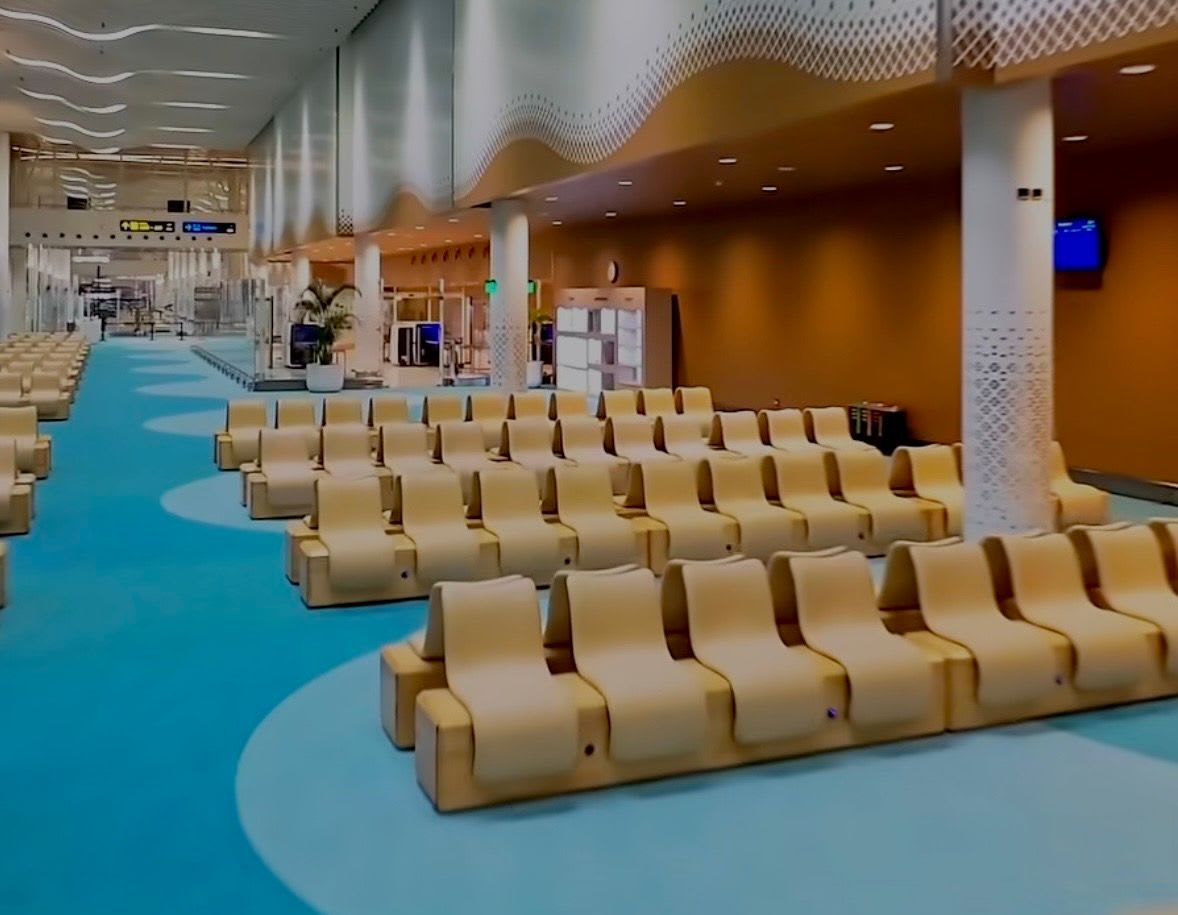
Terminal 1 is the new international terminal. It spans 78,000 square metres and is designed for a capacity of 7.5 million passengers per year — a major step up from the old terminal, which was built for roughly 1.5 million.
Terminal 2 is the former international terminal, now repurposed for all domestic flights. It sits further north on Hulhulé Island. The walk between the two terminals takes 15 to 20 minutes on foot.
The Seaplane Terminal remains in its existing location on the western side of the island, near the water aerodrome. It operates independently from both T1 and T2.
There is no airside connection between Terminal 1 and Terminal 2. Movement between them happens at ground level, outdoors, along the Airport Main Road.
Arriving at Terminal 1
All international flights now arrive at Terminal 1. For the first time at Velana, the terminal has operational jetbridges — seven are currently in use, with capacity for 12 to 15 once fully rolled out. Previously, every arrival required mobile boarding stairs and a bus transfer across the apron.
The arrivals process has improved in infrastructure but not yet in speed. At peak times — particularly when multiple wide-body flights land within a short window — expect 75 to 90 minutes from disembarking to reaching the Arrivals Hall. That window covers immigration, baggage collection, customs screening, and the walk to the exit.
Have your passport, return ticket, and hotel or resort booking confirmation accessible. Immigration officers frequently ask to see accommodation details, especially during busy periods. A digital copy on your phone is fine, but do not rely on email search — have it ready before you join the queue.
There are no automated e-gates for tourist arrivals. Processing is manual, counter-based, and moves at a pace that experienced Maldives visitors will find familiar.
Customs Rules Worth Knowing: The Maldives enforces strict import restrictions. Alcohol cannot be brought into the country under any circumstances — even duty-free purchases made at your departure airport will be confiscated. Pork products, non-Islamic religious items, and narcotics are also prohibited. All luggage is scanned on entry.
After Arrivals: Finding Your Transfer
Once through customs, you enter the Arrivals Hall. Your resort, guesthouse, or tour operator will have a representative waiting here. If you booked through an agent, they will coordinate your onward transfer from this point.
### Seaplane Transfers
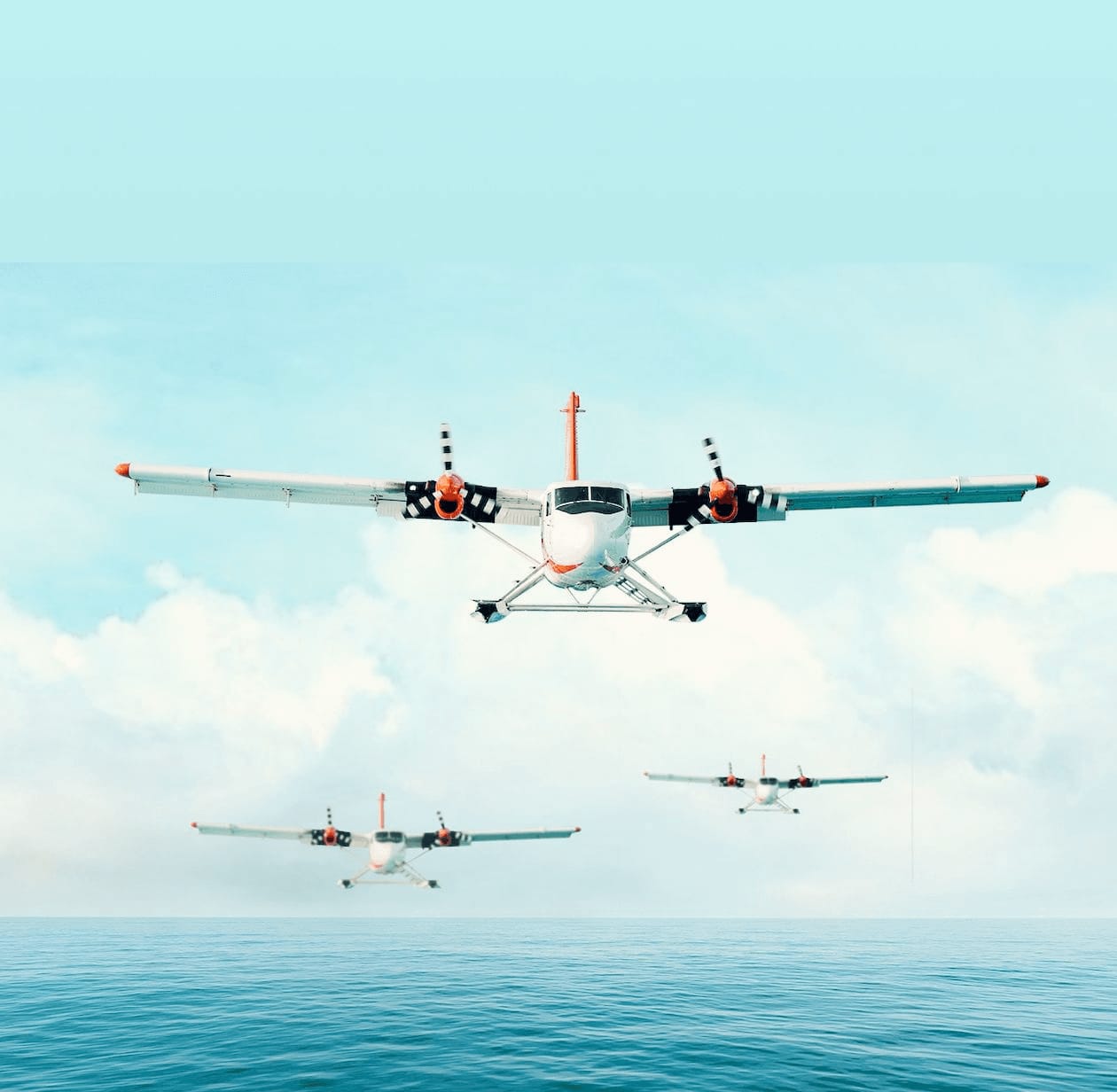
Seaplane check-in counters are now located inside Terminal 1, in the Arrivals Hall area. This is a significant improvement — check-in previously happened at Terminal 2 in a semi-open-air area with no air conditioning.
After checking in, your resort representative or a minibus will take you to the seaplane terminals on the opposite side of the island. The drive takes approximately 10 minutes.
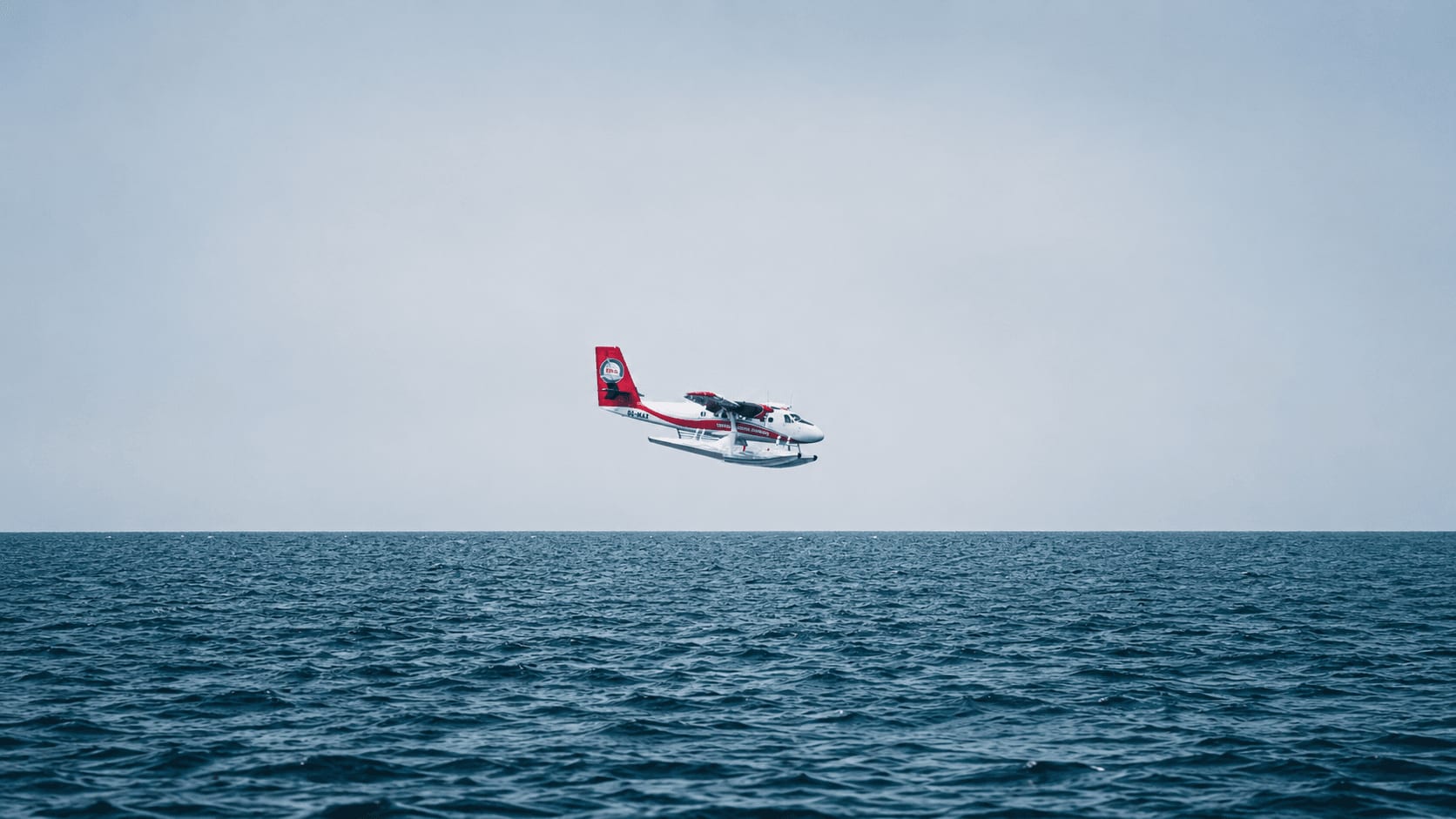
Seaplanes operate only during daylight hours, roughly 06:00 to 15:30 for departures. If your international flight lands after approximately 15:00, you will not fly out to your resort the same day. Your resort or agent will arrange an overnight stay — typically at Hulhulé Island Hotel, a hotel in Malé, or in Hulhumalé — with the seaplane transfer the following morning.
### Speedboat Transfers
If your resort is in a nearby atoll (most commonly North or South Malé Atoll), a speedboat transfer will be arranged. Your airport representative meets you at Terminal 1 Arrivals and walks you to Terminal 2, where speedboat check-in counters are located. The walk takes 10 to 15 minutes. They will handle your luggage.
Speedboat transfers operate around the clock, though late-night transfers may involve additional coordination. Journey times range from 15 minutes to roughly 90 minutes depending on the resort location.
### Domestic Flight Transfers
For resorts accessed via domestic airports — such as those in Laamu Atoll, Addu, or Hanimaadhoo — your connecting flight departs from Terminal 2. Again, it is a 15- to 20-minute walk between terminals.
Allow at least two hours between your international arrival and domestic departure, more during peak season.
Departing from Terminal 1
All international departures now operate from Terminal 1. Check-in counters, immigration, security, and boarding gates are all within the terminal.
One operational detail catches people off guard: the departure area is only accessible three hours before your flight, when check-in counters open. Until then, there is no airside waiting area available.
The terminal has 47 check-in counters, six self-service kiosks, and 20 departure immigration counters. Six boarding gates are operational, with 12 aerobridges installed.
Airport Lounges
Koveli Lounge: Terminal 1's first — and currently only — international departure lounge. It opened in September 2025 and is available to Business and First Class passengers. It has shower facilities, Wi-Fi, and food service. No alcohol is served.
Maamahi Executive Lounge (CIP/VIP): The airport's premium fast-track service, operated by MACL. It offers a private immigration process with escort from aircraft to lounge. CIP service costs between USD 268 and USD 492 per person (2026 rates). Bookings must be submitted at least six hours before the flight.
Resort Lounges: Several luxury resorts — including Four Seasons, St. Regis, and Soneva — operate their own private lounges at the seaplane terminal. Access is included in your resort transfer.
Food, Drink, and Connectivity
Food options inside Terminal 1 remain limited — two small dining outlets with seating for approximately 15 people. More options exist near Terminal 2, including Burger King, KFC, Pizza Hut, Costa Coffee, and The Coffee Club.
No alcohol is available anywhere at the airport. The closest option is Hulhulé Island Hotel, approximately 1.3 kilometres from Terminal 1, accessible via free shuttle bus. The hotel has a pool, bar, and restaurant.
SIM Cards: Dhiraagu and Ooredoo counters are located immediately after exiting arrivals, with tourist data packages that activate instantly. A 24-hour SIM vending machine is also available.
Wi-Fi: Free throughout both terminals.
Getting to Malé or Hulhumalé
Malé is connected to the airport island via the Sinamalé Bridge. A taxi takes roughly 10 minutes at a fixed fare.
Hulhumalé is a 10-minute drive in the opposite direction, with a wider selection of mid-range hotels for overnight stays before early seaplane transfers.
A local ferry also runs between the airport and Malé from the Hulhulé Ferry terminal near Terminal 2.
What to Expect Going Forward
Terminal 1 is functional but still in phased rollout. Additional jetbridges, expanded dining and retail, and further lounge openings are expected. The Maldives arrival experience is meaningfully better than it was before July 2025, but the gap between the resort experience and the airport experience has narrowed — it has not yet closed.
Last updated: April 2026. Confirm transfer details and terminal assignments with your resort or travel agent before departure.