The Maldives is sold globally as the world's most expensive beach holiday. Guesthouse tourism complicates that picture, but most international writing complicates it badly — labelling the segment as "the budget Maldives" or "the cheaper version of paradise." From a Maldivian perspective, neither is right.
Guesthouses are not a budget tier. They are a culturally distinct segment of the same country — and arguably the version that is truer to how Maldivians themselves enjoy their islands.
Not budget tourism. Cultural tourism.
Here is the framing internationals miss: Maldivians do not enjoy the Maldives by swimming in an overwater pool villa at a resort. The way Maldivians actually enjoy their country is by going on picnic to desert islands, fishing there, cooking there, being immersed in the nature. The whole point is the place itself, not a managed experience packaged on top of it.
A resort is an international hospitality format that happens to sit in the Maldives. A guesthouse is a Maldivian island that happens to host visitors. They are different products, not different price points.
This matters because it changes how the trip should be framed. Booking a guesthouse stay is not "doing the Maldives on a discount." It is choosing a different mode of trip. You can certainly run that trip cheap if you want to — guesthouses are dramatically cheaper than resorts — but the "right experience" is not free, and pricing is not the differentiator. The country is still expensive on the global scale even at the guesthouse tier.
What 2009 actually changed, and what took longer
The Tourism Act amendment of 2009 legalised tourist accommodation on inhabited islands. That is the legal milestone — and it is the milestone that gets cited in every write-up about guesthouse tourism. What is rarely acknowledged is that the industry did not mature in 2009. It took years for the format to become anything more than a handful of rooms in Maafushi.
What is there now is significantly more developed. The early-decade picture of "stay in a small hotel, walk to the bikini beach" has expanded considerably. The last decade has brought:
- Atoll-hopping models. Vaavu Atoll, for example, offers an immersive multi-island experience — a guesthouse base island, day trips and overnight moves to other islands within the atoll, fishing and picnic experiences in between. The trip becomes about the atoll rather than a single property.
- Quieter alternatives to Maafushi. Dharavandhoo, Gulhi, and Dhiffushi each offer a calmer-paced version of the segment for travellers who want guesthouse logistics without the volume.
- Hybrid-resort guesthouses. Some inhabited islands have a single guesthouse — by definition still a guesthouse, but the experience approaches a private-island resort feel because there is no other operator on the island. The major trade-off remains the dry-alcohol policy that applies to the entire inhabited island, not just the property.
What a guesthouse actually is
A guesthouse is a small, locally owned property on a Maldivian inhabited island. Most have between 8 and 25 rooms. They sit within the social fabric of the island — neighbours nearby, restaurants on the streets, mosques broadcasting the call to prayer five times a day. The food is at small local restaurants on the island; the activities are run by local crews; the rhythm is the rhythm of a working community.
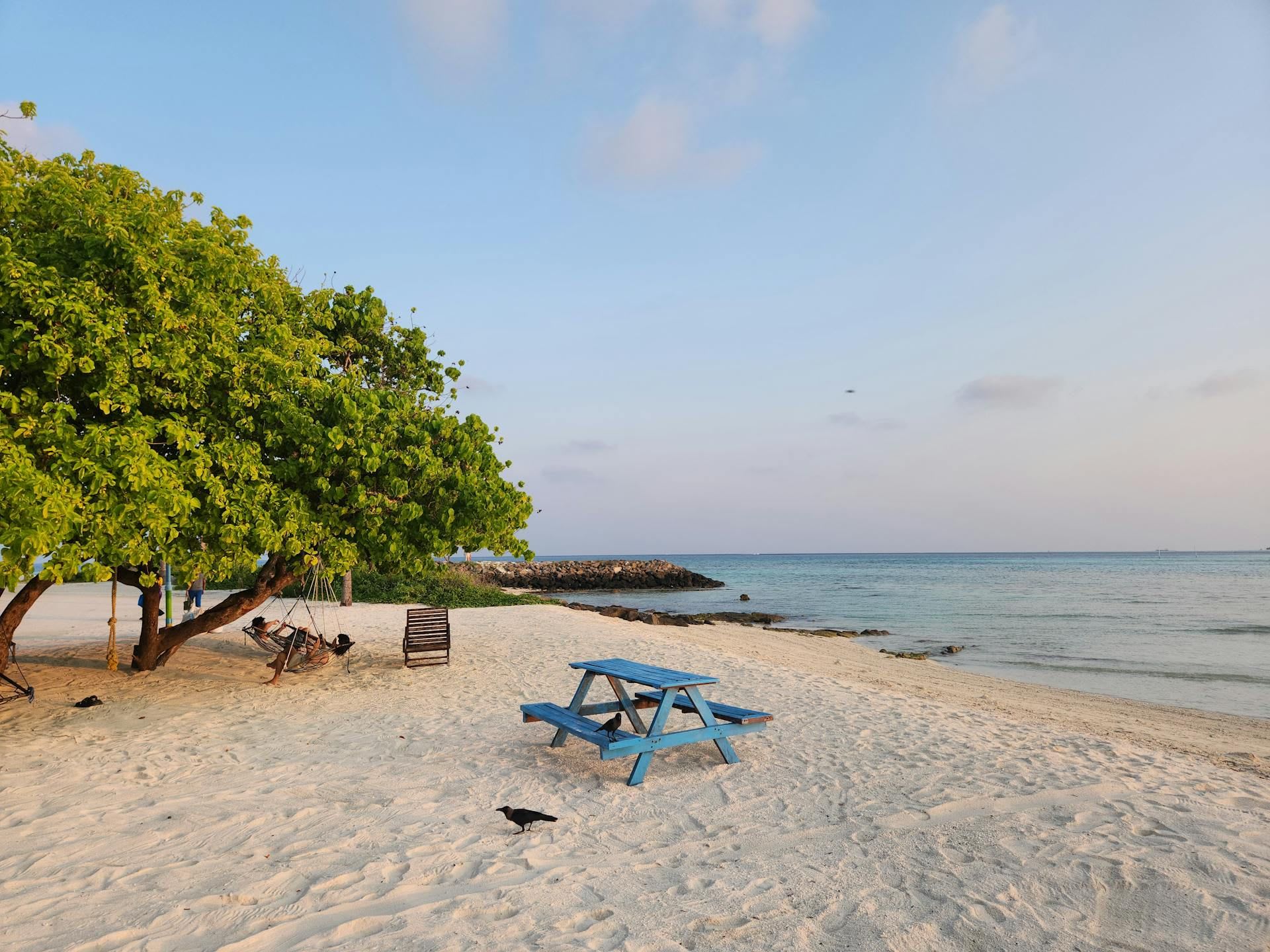
The "bikini beach" is a designated area where tourists wear swimwear. Outside it, Maldivian dress norms apply — modest covering on the public streets and beaches. Most guesthouses are built close to or directly in front of the bikini beach, which means accessing it is not a hassle in practice. You will not be navigating long walks through neighbourhoods every time you want to swim.
Cultural etiquette — these are rules, not suggestions
Cover up outside the bikini beach. The law is the law; the right approach is to be obedient of it rather than test where the line is. You might get away with looser dress for a few hours, but the legal framework is real and respect is noticed.
Alcohol on inhabited islands is strictly prohibited under Maldivian law. Tourist boats and resort islands are exempt; inhabited islands are not. Liveaboard boats running excursions out of guesthouse islands typically have alcohol on board. If a drink at sunset is essential to your idea of the trip, the planning works around the boat schedule.
Prayer times structure the rhythm of the day. Most guesthouses are accustomed to international visitors and do not pause activities, but the call to prayer is audible and the mosque is part of the soundscape. This is not a disruption — it is the ambient context of being on a real island, and it is one of the things that distinguishes the guesthouse experience from the resort one.
How Maldivians actually enjoy the Maldives
This is what guesthouse tourism opens up that resort tourism cannot. The Maldivian version of an island holiday is not a managed experience inside a private compound. It looks more like this:
- Picnics on uninhabited desert islands. Boat out in the morning, set up under palm trees, swim, eat, leave by late afternoon. No deck staff, no infinity pool — just the island and the people you brought.
- Fishing trips with local crew. Hand-line fishing the traditional way, then bringing the catch back to be cooked. The food is the day's catch, sometimes hours old.
- Cooking on the beach. Open-fire cooking, simple Maldivian preparations — tuna curry, grilled fish, roshi flatbread. The meal is the experience.
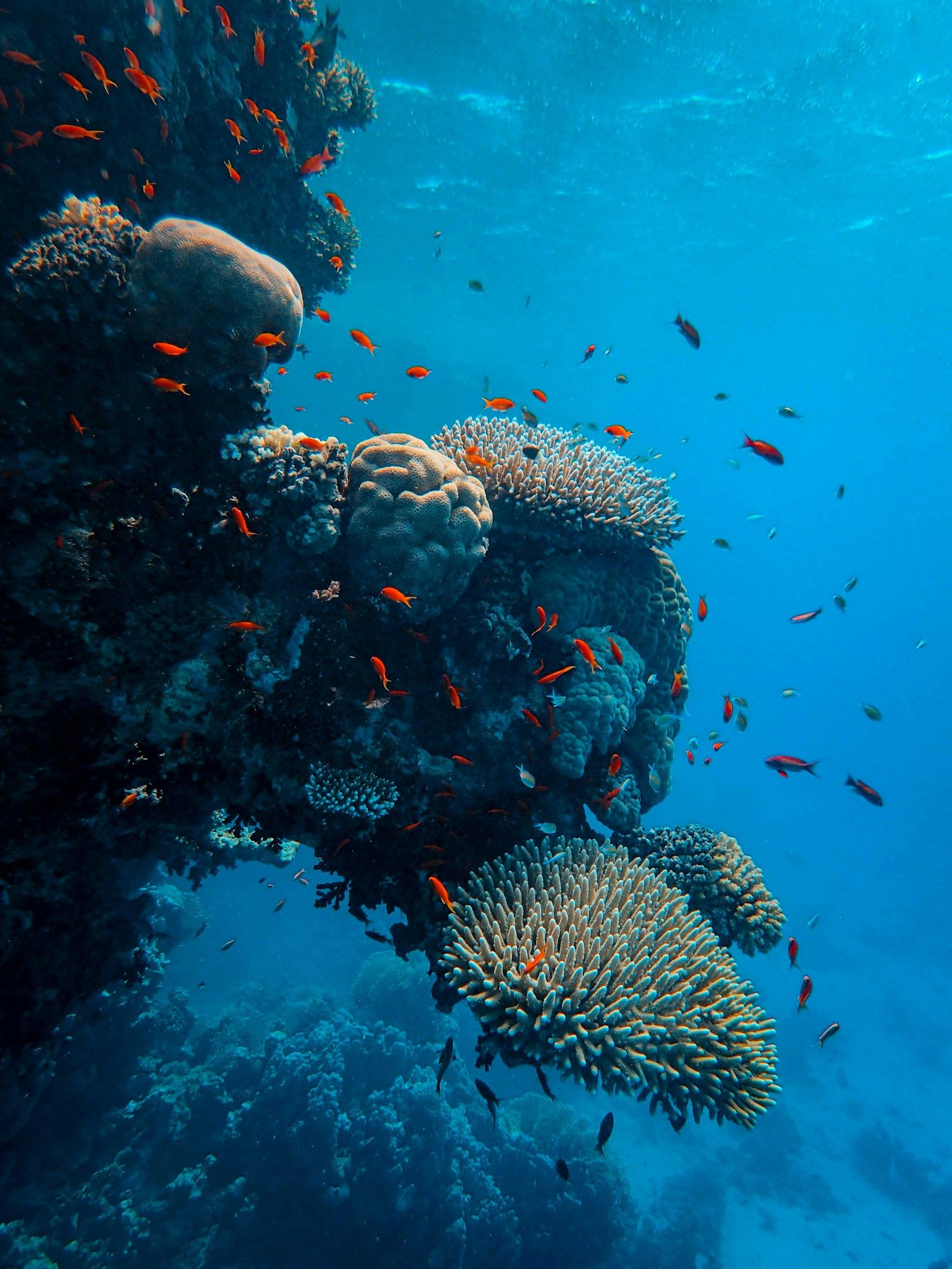
- Reef snorkelling from a dhoni. Same channels and reef structures that resort guests access from their island, just from a different starting point.
This is closer to how an actual Maldivian family spends a weekend than to anything inside a resort compound. The travellers who book guesthouse stays specifically for this experience are not "doing the Maldives cheaply" — they are doing the Maldives the way the country does it.
Maafushi specifically — the activities island
Maafushi was the first guesthouse island and today is the crowded one. There are dozens of properties, and the experience has crystallised around watersports and adrenaline activities — jet skiing, parasailing, banana boats, the full menu. The day boats run to all the obvious snorkel spots and sandbanks.
It is a quantity game. There are more activities packed into more days than anywhere else in the country, and that is why first-timers and adrenaline-focused travellers gravitate to Maafushi. It is the island to choose if your priorities are options, pace, and a long activity menu.
It is not the island for travellers who want the quieter, more immersive guesthouse experience. For that, Dharavandhoo, Gulhi, Dhiffushi, or a Vaavu atoll-hopping itinerary is the better fit.
Where to start, matched to what you want
Pick the island for the trip, not the other way around.
- First-timer wanting maximum activity options → Maafushi
- Mantas in season (June through November) → Dharavandhoo (Baa Atoll, gateway to Hanifaru)
- Surf → Thulusdhoo (North Malé Atoll, near Cokes break)
- Tiger shark diving → Fuvahmulah (single-island atoll, deep-water pelagics)
- Quieter pace, fewer travellers → Gulhi, Dhiffushi
- Multi-island immersion → Vaavu Atoll, atoll-hopping itinerary
- Hybrid resort feel → single-guesthouse inhabited islands
What outsiders consistently get wrong
Three reframings worth standing on.
"Guesthouse tourism is the budget Maldives." From a Maldivian perspective, no. It is a culturally distinct segment. The country is still globally not a budget destination — even on a guesthouse stay, the right experience runs into real money. Calling it "budget" misrepresents what it actually is and what it costs.
"It is a downgraded version of the Maldives." The framing assumes the resort version is the true Maldives and everything else is less. From the local view, the resort is an international hospitality format imported into a Maldivian setting. The guesthouse experience is closer to the country itself, not a discount of it.
"It is just hotels in Maafushi." That was 2010. The segment matured over the following decade and a half. There are atoll-hopping models, hybrid-resort properties, quiet single-property islands, and a menu of formats that did not exist in the early years. Anyone writing about guesthouse tourism based on a 2014 reference is writing about a different industry.
The honest summary: guesthouse tourism gives travellers a choice. They can use it as the cheaper-version-of-the-Maldives, in which case it is still not budget but it is more affordable. Or they can use it as the culturally immersive version, which is closer to the country's own version of an island holiday than anything inside a resort. The second framing is what Maldivians would tell you matters.