
Maldives · When to go

When to visit the Maldives, and what actually changes

Two seasons, six months each. The difference is not whether it rains — it is how the sea behaves, how far you can see underwater, and what you will pay.

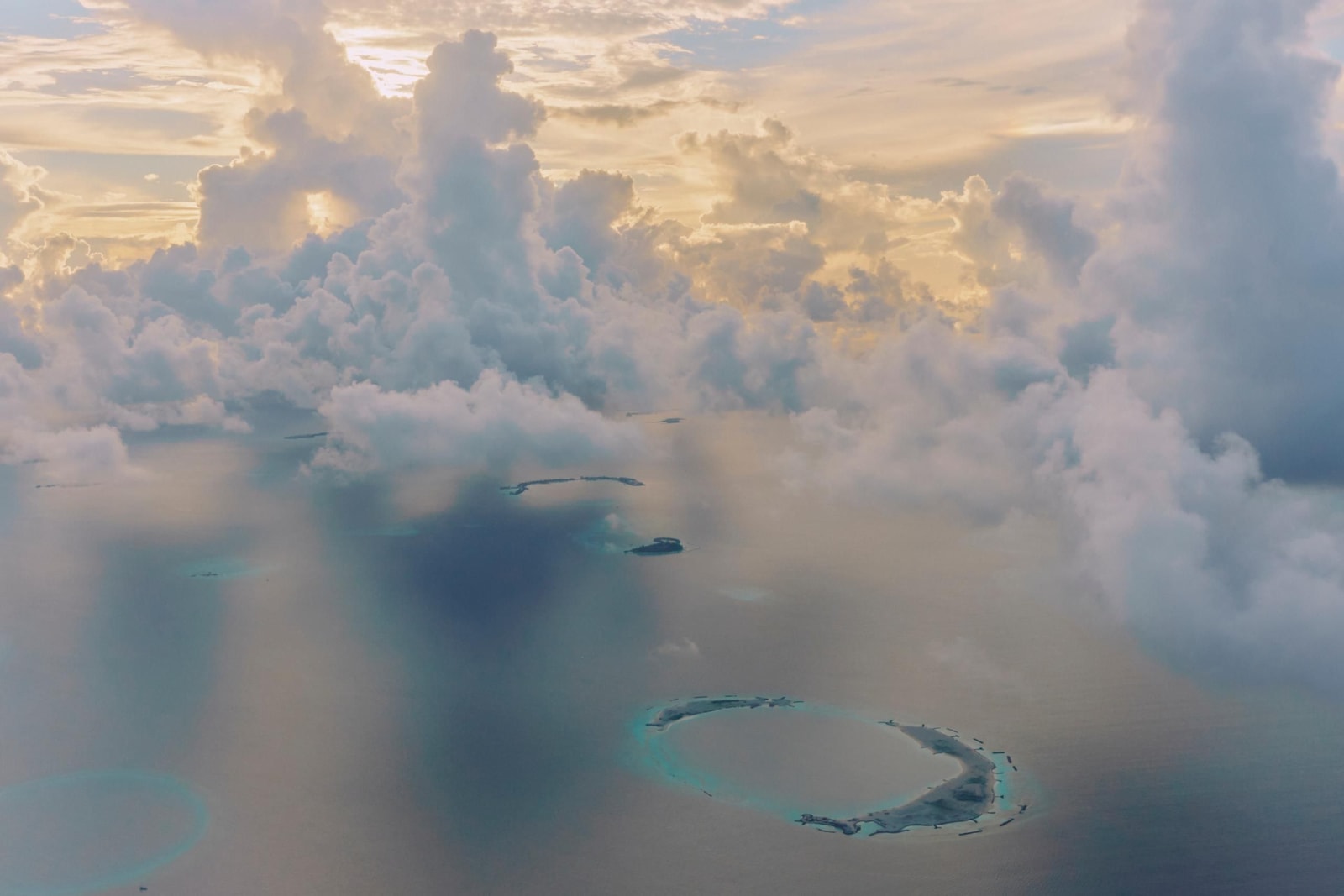
Maldivian atolls seen from the air through building monsoon cloud
MVT Index

There is no bad month, only trade-offs. Choose the dry season if underwater visibility or a nervous sea stomach matters to you. Choose the wet season if the budget matters more, or if you are coming for mantas. The one thing worth checking before you book either way is how you reach the resort: a rough crossing is felt far more on a long speedboat run than on a seaplane.

The two seasons

The Maldives sits on the equator and has no winter. Air temperatures hold in the high twenties to around thirty degrees all year, and the sea stays close to that, so the question is never whether it will be warm.

What changes is the monsoon. From roughly November to April the islands are in their dry season: lighter winds, calmer water and the clearest visibility of the year. From roughly May to October the wet season brings heavier rain, stronger winds and a rougher surface.

Neither boundary is a date in a calendar. The seasons shift by a week or two from year to year, and May and October sit on the edge in both directions — often dry, occasionally not.

What a wet-season trip is actually like

Rain in the Maldives usually arrives as a burst rather than a day of drizzle, and it passes. The more useful question is what it does to the water.

Underwater visibility drops noticeably — divers and snorkellers report clearer water in the dry months. Surface conditions matter more than depth: diving itself is affected less than the boat ride out to the site. Sandbank trips and excursions are the first things cancelled when the sea gets up, and seas are at their roughest between May and September.

Expect to lose some full-sun days across a week. Expect prices well below peak. Resorts are quieter, which some travellers come for.

If you are coming for one species

Marine life, not weather, is the better reason to pick a month.

Manta rays gather in Baa Atoll through the wet season, with Hanifaru Bay the best-known site; the aggregation builds through the middle of the year and is strongest in the late wet season. Hanifaru is snorkelling only — no diving inside the bay.

Whale sharks are the dry-season counterpart, concentrated in South Ari and most reliable around January and February. Hammerhead diving off Rasdhoo runs through the dry months and is for experienced divers.

A trip built around one animal should be built around its months, and then around an atoll. The two rarely point at the same time of year.

Dry and wet season compared

Dry seasonWet season
RoughlyNovember – AprilMay – October
SeaCalmerRougher, worst May–September
Underwater visibilityAt its bestReduced
RainOccasionalFrequent, usually in bursts
Headline speciesWhale sharks, hammerheadsManta rays
PriceHighest of the yearLowest of the year
ExcursionsRarely disruptedCancellations possible

FAQs

Is the wet season a bad time to visit the Maldives?

No. It rains more, usually in bursts rather than all day, and the sea is rougher. In exchange the islands are quieter and considerably cheaper, and the Baa Atoll manta aggregation happens in these months. It is a trade, not a write-off.

Which months are the most expensive?

The dry season, November to April, with the festive period at the top. Rates fall through the wet season and are lowest in the middle of it.

When should I come to see manta rays?

The wet season, in Baa Atoll. The aggregation builds through the middle of the year and is strongest towards the end of it. Hanifaru Bay is snorkelling only and access is controlled, so book a resort with a reliable boat to it.

When should I come to see whale sharks?

The dry season, in South Ari, and most reliably around January and February. This is the opposite end of the year from the mantas.

Does rain ruin diving?

Less than most people expect. Conditions below the surface change relatively little; what changes is visibility and the boat ride out. A rough crossing is the more common complaint.

Do the seasons start on a fixed date?

No. The change is gradual and shifts from year to year. May and October sit on the boundary and can go either way.

Related guides

Hanifaru Bay and the manta aggregation →Maldives manta season →Diving in the Maldives →Baa Atoll guide →Getting to your resort — transfers explained →