
Maldives · What it costs

Board basis in the Maldives, and which one is actually cheaper

You are on an island. You cannot walk to a cheaper restaurant. That is why the meal plan is the second most expensive decision after the resort itself.

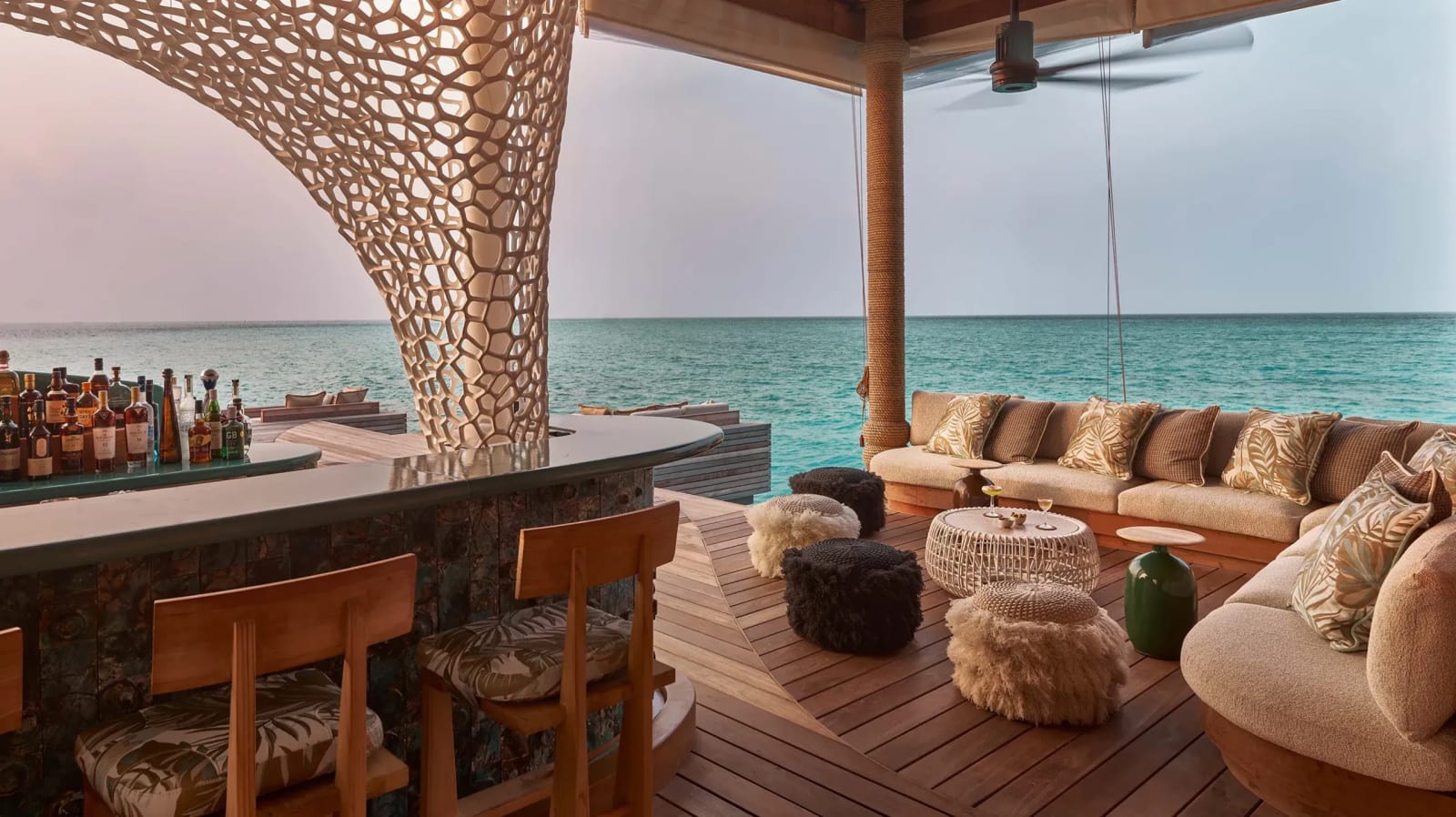
An overwater resort bar at dusk, spirits lined along the counter
Photo: Here Maldives
MVT Index

Work it out rather than guess. Add up what you would actually drink in a day and what lunch would cost, and compare that with the gap between the plans. For most couples who drink moderately, all-inclusive starts paying for itself a few nights into a stay; below that it rarely does. Non-drinkers are usually better on full board, and are the group most often sold the wrong plan.

What each plan covers

Bed and breakfast is breakfast only. Lunch, dinner and every drink is billed as you go. It gives the most freedom on an island with several restaurants and the least cost control on an island with one.

Half board is breakfast and dinner, usually in the main restaurant. Lunch and drinks are extra. It is the most common plan in the Maldives and the default assumption in most rates you will see quoted.

Full board adds lunch. Drinks are still extra, and speciality restaurants usually still carry a supplement. It suits people who do not drink much but eat all three meals on the island, which is most families.

All-inclusive adds drinks, and this is where it stops being simple. What counts as an included drink, which restaurants are covered and which activities come with it vary enormously between resorts and between tiers at the same resort.

What all-inclusive does not include

The word is misleading and catches people out every season.

Transfers are billed separately at virtually every resort in the country, on every plan. A seaplane or domestic connection is a substantial separate cost and is not part of any board basis.

Spa treatments, diving, private excursions and photography are almost always extra. Premium wines and spirits usually sit above the included list, as do lobster and some speciality restaurants.

Then there is tax. Maldives resort bills carry goods and services tax, a service charge and a per-person green tax per night. Whether a quoted rate includes them is the single most useful question to ask before comparing two offers, because one quote including tax and another excluding it are not comparable at all.

How to work out which is cheaper

The arithmetic is simple and worth doing on the back of an envelope.

Take the difference per night between the plan you are offered and the next one up. Then estimate what you would actually spend: the drinks you would genuinely order in a day, plus lunch if the plan does not cover it. If your estimate is higher than the gap, the upgrade pays. If it is lower, it does not.

Two things skew the answer. Short stays rarely justify an upgrade, because arrival and departure days are part-days. And people consistently overestimate how much they will drink in heat, which is why the plan that looks like good value on paper sometimes is not.

If you do not drink alcohol, compare full board against all-inclusive rather than assuming all-inclusive is the generous option. It frequently is not.

The four plans

PlanBreakfastLunchDinnerDrinks
Bed & breakfastYesNoNoNo
Half boardYesNoYesNo
Full boardYesYesYesNo
All-inclusiveYesYesYesSelected — varies by resort and tier

FAQs

Is all-inclusive worth it in the Maldives?

It depends almost entirely on what you drink. Add up the drinks you would really order in a day plus lunch, and compare that against the nightly difference between the plans. For moderate drinkers on a stay of several nights it usually pays; on a short stay it usually does not.

Does all-inclusive cover the transfer to the resort?

Almost never. Seaplane and speedboat transfers are charged separately at virtually every resort regardless of board basis, and they are a significant cost in their own right. Confirm the transfer price before you compare two packages.

What is usually excluded from an all-inclusive plan?

Transfers, spa treatments, diving, private excursions and photography. Premium wines and spirits, lobster and some speciality restaurants commonly sit outside the included list too. The resort's own terms are the only reliable guide.

I do not drink. Which plan should I take?

Compare full board against all-inclusive rather than assuming. Full board covers all three meals without paying for a drinks package you will not use, and is often the better value for non-drinkers and families.

Are taxes included in the rate I am quoted?

Sometimes, and it is worth asking outright. Maldives bills carry goods and services tax, a service charge and a per-person green tax for each night. A quote including them and a quote excluding them cannot be compared side by side.

Can I upgrade my meal plan after I arrive?

Usually yes, but at the rate the resort charges on the day, which is generally higher than the rate available when booking. Decide before you travel if you can.

Related guides

Is all-inclusive worth it? — reader discussion →Maldives on a budget →Transfers explained — speedboat, seaplane, domestic →Resort profiles →